መለክዒ Kelly ከምኡ’ውን ሩሌት
መለክዒ Kelly ንብልጫ ዘለዎ ተወራራዲ ክንደይ ክውራረድ ከም ዘለዎ ይነግሮ። ንሩሌት ንጹር መልሲ ይህብ፥ ዋላ ሓደ።

መጠን ውርርድ Kelly = ብልጫ / ምጥጣን ዕድል። ብኣሉታዊ ብልጫ እቲ ቀመር ኣሉታዊ ክፋል ይህብ፣ እዚ ድማ ኣይትወራረዱ ማለት እዩ። እቲ መለክዒ ተጻወትቲ ኣድልዎ ስለምንታይ ውርርዳቶም ብኸምቲ ዝገበርዎ ዓቐን ከም ዝወሰኑ፣ ካልኦት ኩሎም ድማ ስለምንታይ ብበጀት ክውስኑ ከም ዘለዎም ንምርዳእ ገና ጠቓሚ እዩ።
እቲ መለክዒ
John Kelly (1956) asked how a gambler with a known edge should size bets to maximize long-run growth of the bankrollገንዘብገንዘብ ጸወታንጸወታ ዝተፈልየ ጠቕላላ መጠን ገንዘብ። ምሕደራ ገንዘብ ጸወታ ማለት ካብኡ ክንደይ ኣብ ነፍሲ ወከፍ ውርርድን ግዜ ጸወታን ከም እትሕብሕቡ ምውሳን እዩ።ምሉኡ ኣንብቡ →. The answer, for a bet paying b to 1 with win probabilityሒሳብተኽእሎዕድል ናይ ሓደ ውጽኢት፣ ካብ 0 ክሳብ 1 ወይ ካብ 0% ክሳብ 100%። ሓደ ቁጽሪ፥ 1/37 = 2.70%።ምሉኡ ኣንብቡ → p and loss probability q = 1 − p, is to stake the fraction f* = (bp − q) / b of the bankroll. Positive f* means bet that fraction; zero or negative means do not bet. Kelly worked at Bell Labs, and his paper, “A new interpretation of information rate”, set the problem in Claude Shannon’s theory of information: a gambler who gets tips over a noisy line, at fair odds, can grow the bankroll at best at the rate the line carries information. This is a growth objective under a probability model, not a promise to finish ahead after a particular number of bets. A spending limit, finite deadline or payoutገንዘብክፍሊት ዓወትዝተዓወተ ውርርድ ዝመልሶ፣ ብልዕሊ እቲ ዝተመለሰ መጠን ውርርድ «X ብ 1» ተባሂሉ ዝግለጽ።ምሉኡ ኣንብቡ → cap changes the decision problem.

ውርርድ Kelly ኣብ ሩሌት
For redውርርድቀይሕውርርድ ማዕረ ገንዘብ ኣብቶም 18 ቀይሕ ቁጽርታት። ብፈረንሳይኛ፥ rouge።ምሉኡ ኣንብቡ →: b = 1, p = 18/37, q = 19/37; f* = (18/37 − 19/37)/1 = −1/37. For a straight upውርርድውርርድ ሓደ ቁጽሪሓደ ቁጽሪ፣ 35:1 ይኸፍል።ምሉኡ ኣንብቡ →: b = 35, p = 1/37, q = 36/37; f* = (35/37 − 36/37)/35 = −1/1295. Every standard bet gives a negative Kelly fraction, because every bet has a negative edge, and the growth-optimal stake is zero. Kelly betting on roulette is a formal way of saying what the house-edge page says: no positive stake maximizes expected logarithmic growth when the bet has negative expectation. A particular session can still end in profit. La partageሕጊLa partageሕጊ ሩሌት ፈረንሳ፥ ዜሮ ምስ ወጸ ፍርቂ መጠን ውርርድ ማዕረ ገንዘብ ይምለስ። ኣብዞም ውርርዳት ንብልጫ ካዚኖ ናብ 1.35% ይፍርቖ።ምሉኡ ኣንብቡ → needs a separate three-outcome calculation: a win, a full loss or a half-loss on zeroመንኮርኮርዜሮዝኾነ ውርርድ ማዕረ ገንዘብ፣ ደርዘን ወይ ዓምዲ ዘይሽፍኖ እቲ ሓደ ቀጠልያ ጁባ፤ ምንጪ ብልጫ ካዚኖ። ካልእ ስም፥ ሓደ ዜሮ፣ 0።ምሉኡ ኣንብቡ →. Its expected log growth also falls as the stake increases from zero.
Kelly ኣበይ ብሓቂ ሰሪሑ
Suppose a pocketመሳርሒጁባሓደ ካብቶም ኣብ ሮተር ዘለዉ 37 ቁጽሪ ዘለዎም ክፍልታት። ካልእ ስም፥ ጉድጓድ፣ ኩባያ።ምሉኡ ኣንብቡ → really has a stable, known probability of 1 in 30 and pays 35 to 1. The Kelly fraction is 0.57%: about $57 from a $10,000 bankroll. Under independent spinsሒሳብናጻ ምዝዋራትነፍሲ ወከፍ ምዝዋር ታሪኽ ብዘየገድስ ተመሳሳሊ ተኽእሎታት ኣለዎ። መሰረት ኩሉ ሕሳባት ኣብዚ መርበብ።ምሉኡ ኣንብቡ → and exact fractional staking, the geometric growth factor over 1,000 spins is about 1.7. Expected bankroll grows faster because rare large wins pull up the average. These are model calculations, not evidence that any named historical player used Kelly or achieved this result.
ልሙድን ማእከላይን
The gap between the typical bankroll and the average one is wide. Take a pocket that hits 1 time in 25, a hypothetical edge of 44% per unitገንዘብኣሃዱስርዓት ወይ ተጻዋታይ ዝሰርሓሉ መሰረታዊ መጠን ውርርድ። ስርዓታት ምውሳኽ ውርርድ ኣብ ዝኾነ ጣውላ ክሰርሑ ምእንቲ ብኣሃዱ ይግለጹ።ምሉኡ ኣንብቡ → staked. Kelly stakes 1.26% of the bankroll on it. After 1,000 spins the typical bankroll has grown about 11.5 times, while the average, pulled up by a few very lucky runs, has grown about 249 times. Betting more than Kelly raises the average and lowers the typical result: at twice the Kelly stake the typical bankroll only doubles, and by two and a half times the Kelly stake it shrinks, although every bet still carries a 44% edge. In this example, half-Kelly retains about 78% of the expected log growth. This fraction depends on the probabilities and payout.
ብልጫ ግምት ክኸውን ከሎ
Kelly uses the true probabilities, but a player usually has only estimates. Selecting the busiest pocket from a past record creates a selection problem: even a fair wheel has a busiest pocket. Its observed rate can overstate its future probability. Choosing the stake from that same record compounds the error. An independent follow-up sample helps test a proposed bias (see How to Detect Roulette Wheel Bias). Reducing the calculated fraction reduces exposure, but cannot turn a false edge into a real one.
ብልጫ ዘለዎም ሰባት
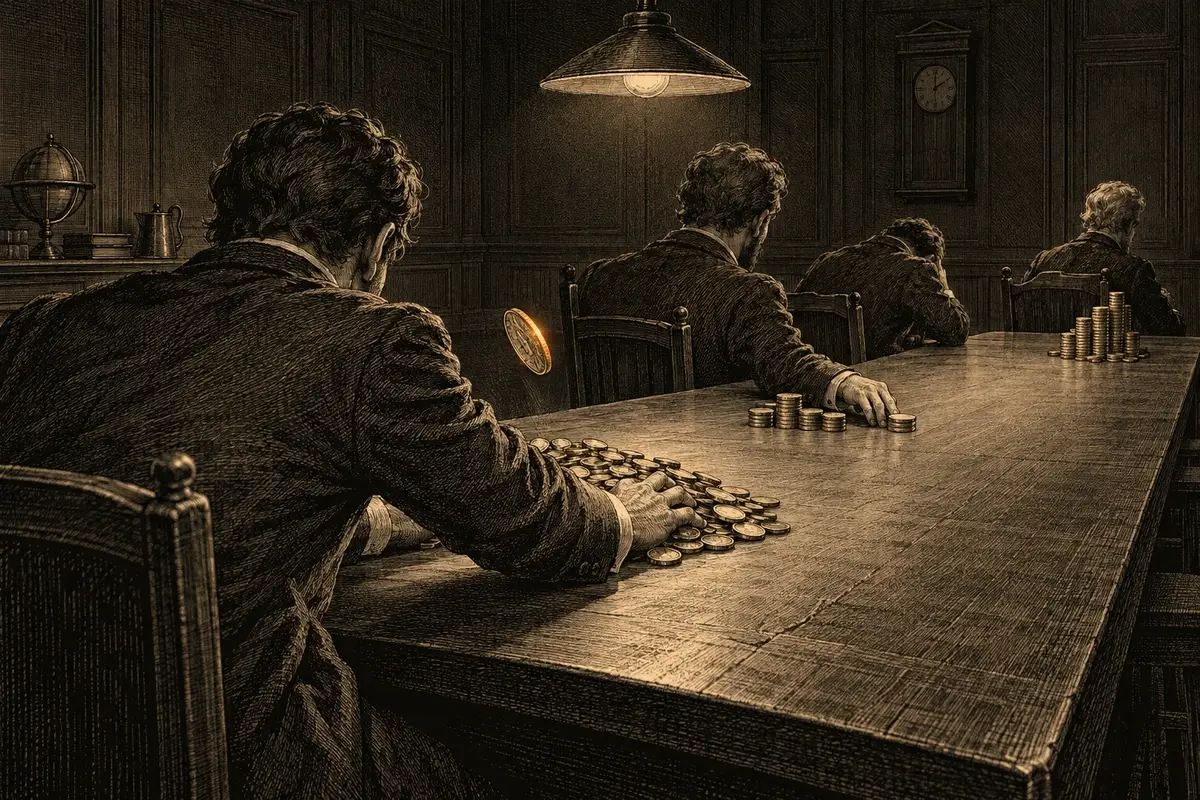
Haghani and Dewey (2016) studied 61 participants given $25 and 30 minutes to bet on a simulated coin with a disclosed 60% chance of heads. The payout cap was $250; its value was revealed when a proposed winning bet would reach it. Their reported 21% success category included balances of at least $200, while the 28% “bust” category meant less than $2, not necessarily zero. Eighteen participants bet their entire balance on one flip. The uncapped Kelly fraction is 20%, but the cap and deadline change the optimization problem. The experiment illustrates how stake choices matter even with a known advantage; it does not establish one best strategy for every objective.
ኣብ ክንድኡ እንታይ ትጥቀሙ
ብዘይ ብልጫ፣ ዓቐን ውርርድ ሕቶ በጀት እዩ፣ ሕቶ ዕቤት ኣይኮነን፥ መጠን ውርርድ = ኣብ ነፍሲ ወከፍ ምዝዋር ክተውጽኡ ፍቓደኛታት ዝኾንኩምሉ፣ ካብ በጀት ሰዓትን ቅልጣፈ ጣውላን ዝተረኽበ (ገጽ ምምሕዳር ገንዘብ ጸወታ)። እቲ Kelly ንልሙድ ተጻዋታይ ዘበርክቶ ንጽህና መልሱ እዩ፥ ዜሮ። ልዕሊ ዜሮ እትውራረዱዎ ኩሉ ዋጋ ምጽዋት እዩ፣ ብኣኹም ዝተመርጸ፣ ብዝኾነ ቀመር ዝተመሓየሸ ኣይኮነን።
መዘኻኸሪ ብዛዕባ ክፋል Kelly ን «ምምሕዳር ገንዘብ» ን
Betting a fixed percentage of the current bankroll is proportional staking: the stake rises after wins and falls after losses. Flat bettingሜላቀዋሚ ውርርድኣብ ነፍሲ ወከፍ ምዝዋር ሓደ መጠን ምውርራድ። ነፍሲ ወከፍ ስርዓት ምውሳኽ ውርርድ ዝነጻጸረሉ መወከሲ።ምሉኡ ኣንብቡ → instead keeps the cash stake fixed. Neither creates an edge on ordinary roulette. With infinitely divisible stakes and a fraction below 100%, proportional staking never reaches exactly zero in finitely many losses, but the balance can become arbitrarily small. Real table minimums can prevent further play much sooner. The growth-optimal fraction remains zero.
ቀመር
ሕቶታት
Only when the actual probabilities, payouts and conditions give a credible positive advantage. Standard bets on an unbiased wheel have no such advantage.
Using half the calculated fraction reduces exposure to errors in the estimated edge. The familiar three-quarters-growth rule is an approximation for small advantages, not a universal identity. It does not protect against an edge that does not exist.
ኣይኮነን። Kelly ብልጫ ምስ ዘሎ ዕቤት የመሓይሽ። ምምሕዳር ገንዘብ ጸወታ ብልጫ ምስ ዘየሎ ወጻኢ ይቆጻጸር።
ጸወታ ምስ ሒሳብ
መጀመርታ ባዕልኹም ፈትኑ። ነፍሲ ወከፍ መፍትሒ ተዓጺፉ ኣሎ፤ ምስ ተዳለኹም ክፈትዎ።
Suppose a hypothetical bet on one number has a known 44% edge under standard payoutsገንዘብክፍሊት ዓወትዝተዓወተ ውርርድ ዝመልሶ፣ ብልዕሊ እቲ ዝተመለሰ መጠን ውርርድ «X ብ 1» ተባሂሉ ዝግለጽ።ምሉኡ ኣንብቡ → and independent spinsሒሳብናጻ ምዝዋራትነፍሲ ወከፍ ምዝዋር ታሪኽ ብዘየገድስ ተመሳሳሊ ተኽእሎታት ኣለዎ። መሰረት ኩሉ ሕሳባት ኣብዚ መርበብ።ምሉኡ ኣንብቡ →. Kelly gives a 1.26% bankrollገንዘብገንዘብ ጸወታንጸወታ ዝተፈልየ ጠቕላላ መጠን ገንዘብ። ምሕደራ ገንዘብ ጸወታ ማለት ካብኡ ክንደይ ኣብ ነፍሲ ወከፍ ውርርድን ግዜ ጸወታን ከም እትሕብሕቡ ምውሳን እዩ።ምሉኡ ኣንብቡ → fraction. What if the same 44% edge came on one bet spread over five neighboring numbers?
መፍትሒ ኣርእዩ
መልሲ ሽዑ Kelly 7.1% ናይ ገንዘብ ጸወታ ይብል፣ እቲ ገንዘብ ጸወታ ድማ ዳርጋ ሽዱሽተ ዕጽፊ ብዝቐልጠፈ ይዓቢ፥ ኣብ 1,000 ውርርዳት ኣስታት 1.25 ሚልዮን ዕጽፊ፣ ኣንጻር ኣስታት 11.5 ዕጽፊ።
A straight upውርርድውርርድ ሓደ ቁጽሪሓደ ቁጽሪ፣ 35:1 ይኸፍል።ምሉኡ ኣንብቡ → with a 44% edge wins with chance 0.04, since 36 × 0.04 = 1.44. Kelly’s stake is the edge divided by the odds: 0.44/35 = 1.26%. The typical growth per bet is 0.04 × ln(1 + 35 × 0.0126) + 0.96 × ln(1 − 0.0126) ≈ 0.00244, so 1,000 bets multiply the bankroll by about e^2.44 ≈ 11.5.
Spread one stake over five numbers and the bet wins with chance 0.20 and pays 36/5 for 1, that is 6.2 to 1: still a 44% edge, since 0.2 × 7.2 = 1.44. Kelly’s stake becomes 0.44/6.2 = 7.10%, and the growth per bet 0.01404, about 5.75 times as much. Over 1,000 bets that is e^14.04, about 1.25 million.
The edge is the same; the swings are smaller. A bet that wins one time in five has a larger growth-optimal fraction in this model, although losses can still reduce the bankroll severely. This comparison assumes the same known edge for both bets; actual predictions need independent evidence.
Assume two numbers are adjacent on the betting layoutመሳርሒሰሌዳ ውርርድኣብ ጣውላ ዝተሓትመ ሰሌዳ ውርርድ። ካልእ ስም፥ ጣውላ፣ ጨርቂ ጣውላ።ምሉኡ ኣንብቡ → and each has a stable, known probabilityሒሳብተኽእሎዕድል ናይ ሓደ ውጽኢት፣ ካብ 0 ክሳብ 1 ወይ ካብ 0% ክሳብ 100%። ሓደ ቁጽሪ፥ 1/37 = 2.70%።ምሉኡ ኣንብቡ → of 1 in 25 on independent spins. Compare a splitውርርድውርርድ ክልተ ቁጽሪክልተ ጎረባብቲ ቁጽርታት፣ 17:1 ይኸፍል።ምሉኡ ኣንብቡ → between them at 17 to 1 with equal straight-up stakes on the two numbers. How much does Kelly say, and how fast does the bankroll grow compared with one such pocketመሳርሒጁባሓደ ካብቶም ኣብ ሮተር ዘለዉ 37 ቁጽሪ ዘለዎም ክፍልታት። ካልእ ስም፥ ጉድጓድ፣ ኩባያ።ምሉኡ ኣንብቡ →?
መፍትሒ ኣርእዩ
መልሲ ፍልልይ የብሉን፥ 2.59% ናይ ገንዘብ ጸወታ ኣብ ውርርድ ክልተ ቁጽሪ፣ ወይ 1.29% ኣብ ነፍሲ ወከፍ ቁጽሪ። እቲ ልሙድ ገንዘብ ጸወታ ኣብ 1,000 ምዝዋራት ኣስታት 155 ዕጽፊ ይዓቢ፣ ምስ ሓደ ጁባ ኣንጻር 11.5 ዕጽፊ።
The split wins with probability 2/25 = 0.08 and pays 17 to 1, so it returns 18 × 0.08 = 1.44 per unitገንዘብኣሃዱስርዓት ወይ ተጻዋታይ ዝሰርሓሉ መሰረታዊ መጠን ውርርድ። ስርዓታት ምውሳኽ ውርርድ ኣብ ዝኾነ ጣውላ ክሰርሑ ምእንቲ ብኣሃዱ ይግለጹ።ምሉኡ ኣንብቡ → staked: an edge of 44%, the same as one biased pocket. Kelly’s stake is the edge divided by the odds: 0.44/17 = 2.59%.
Two straight-up bets of 1.29% each give exactly the same results. When either number comes up, one chipገንዘብቺፕዝተወሰነ መጠን ዝውክል ምልክት፣ ውርርድ ንምግባር ኣብ ሰሌዳ ውርርድ ዝንበር። ካልእ ስም፥ check።ምሉኡ ኣንብቡ → wins 35 to 1 and the other is lost, a net of 34 × 1.29% = 44% of the bankroll, as the split pays; when neither does, both are lost.
The growth per spin is 0.00505, against 0.00244 for one pocket, so over 1,000 spins the typical bankroll grows e^5.046 ≈ 155 times rather than e^2.44 ≈ 11.5 times. The geometric growth factor is larger because the combined bet wins more often at the same 44% edge. It is a model result, not a guaranteed bankroll.
ንምዝንጋዕ
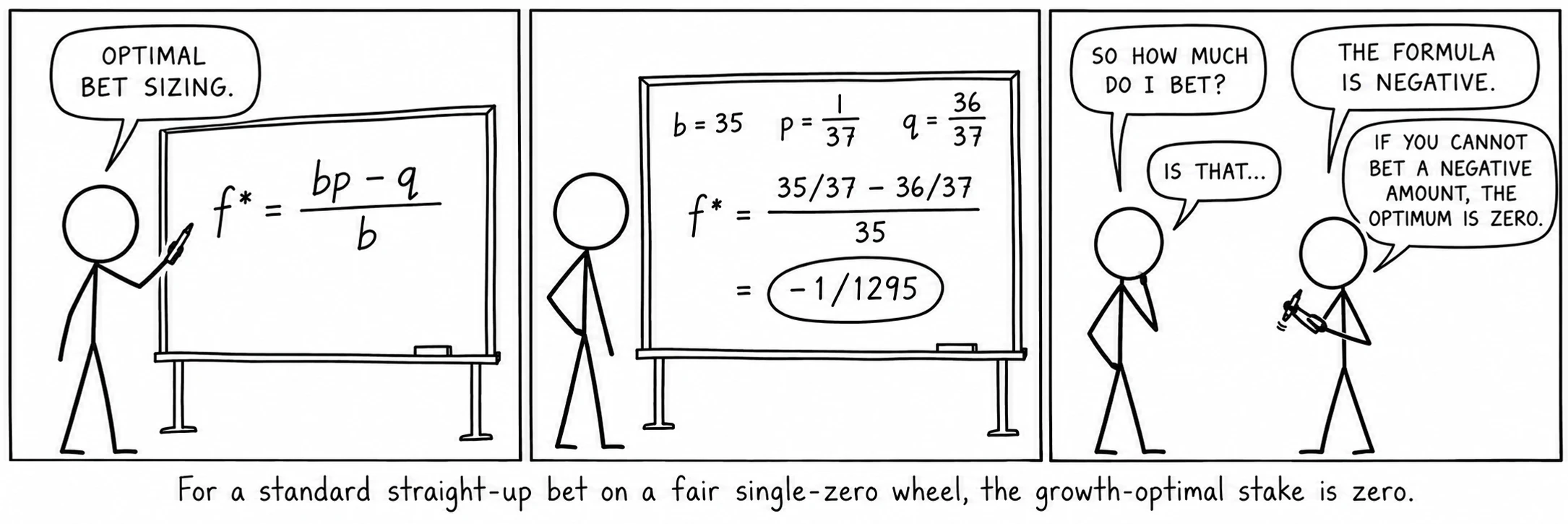
ንዕቤት ዝበለጸ መጠን ውርርድ ሩሌት ኩሉ ሰብ ኣቐዲሙ ዝፈልጦ ቁጽሪ እዩ።
ምንጭታት
- Kelly, J. L. “A new interpretation of information rate.”
- Breiman, L. “Optimal gambling systems for favorable games.”
- Thorp, E. O. “Optimal gambling systems for favorable games.”
- Thorp, E. O. The Mathematics of Gambling.
- Epstein, R. A. The Theory of Gambling and Statistical Logic, 2nd ed.
- Taylor, D. G. Games, Gambling, and Probability: An Introduction to Mathematics, 2nd ed.
- Ethier, S. N. The Doctrine of Chances: Probabilistic Aspects of Gambling.
- Haghani, V. & Dewey, R. “Rational decision-making under uncertainty: observed betting patterns on a biased coin.”